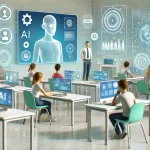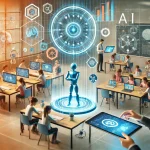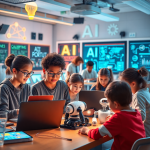
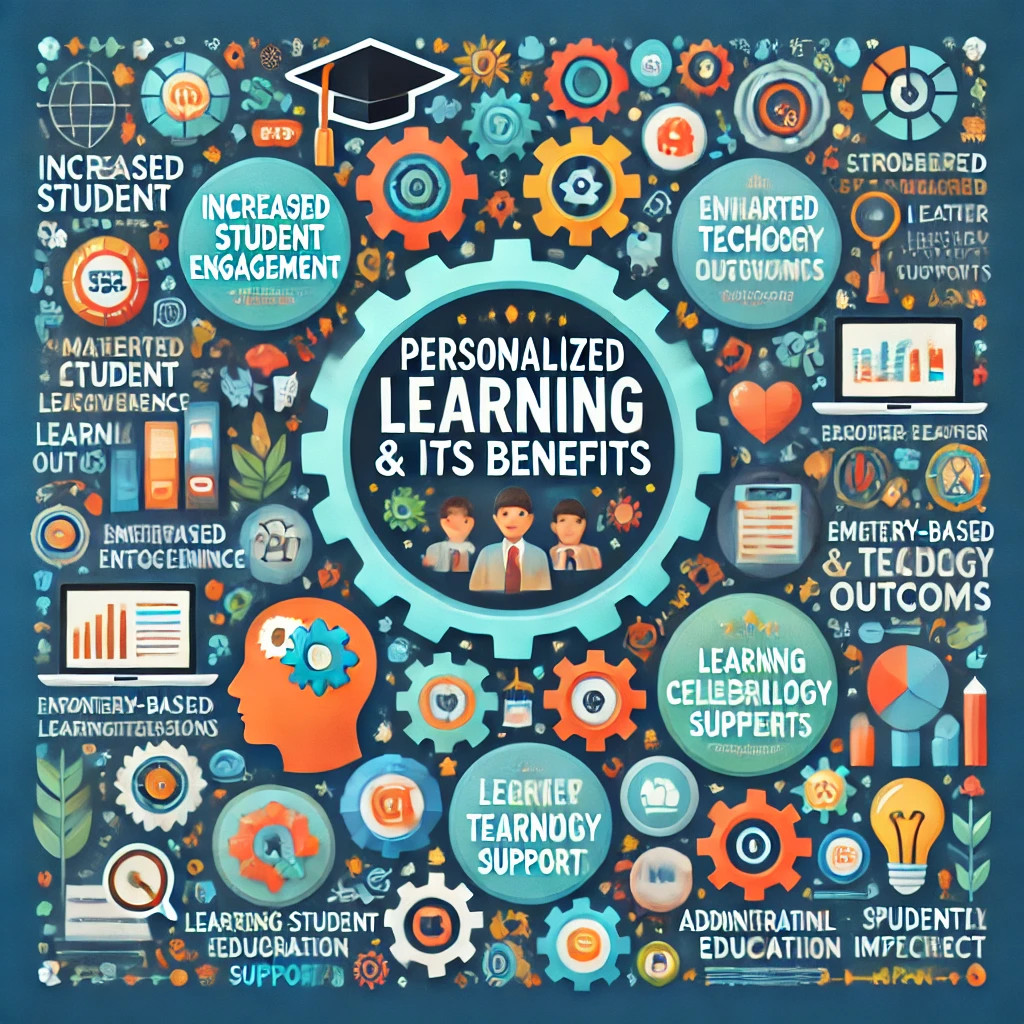

Personalized learning is a natural way humans learn, shaped by experiences, culture, and environment. This approach helps people gain knowledge and skills through active participation. With the rise of AI, STEM education, and project-based learning (PBL), education is evolving to better fit each student. AI assists by adjusting lessons to match a student’s progress, making learning more effective and tailored. Technology enables flexibility, making education more efficient and accessible.
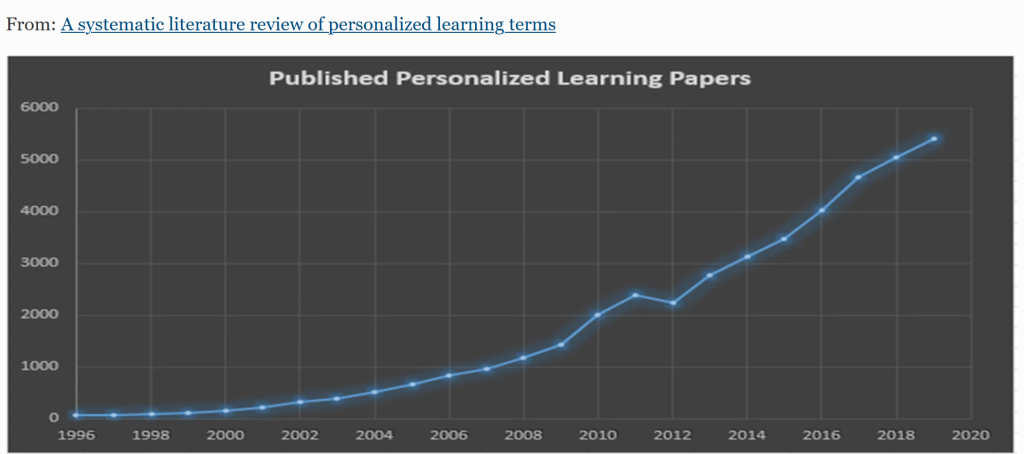
Although personalized learning became widely recognized in 2008, its progress has been slow due to confusion over terminology. Various terms are used, making research harder. This blog reviews recent studies on personalized learning, exploring key terms to create a better framework for future research. It also examines how STEM and PBL, AI, and innovation hubs like kids’ incubators drive educational advancements. The goal is to provide a strong research base while addressing challenges, future directions, and improvements in personalized learning.
What is Personalized Learning With AI?
Traditional education follows a one-size-fits-all model, disregarding individual learning differences. Some students struggle, while others are not challenged enough. Personalized learning customizes education to fit each student’s needs using technology and teacher support. This method enhances engagement, mastery, and critical thinking, making education more inclusive and effective.
Personalized learning aligns with Gardner’s Theory of Multiple Intelligences, which acknowledges various intelligence types beyond reading and math, such as musical, spatial, and interpersonal intelligence. Additionally, it connects with the Self-Determination Theory, which suggests motivation increases when students feel in control, competent, and connected. By integrating these theories, personalized learning keeps students engaged and motivated.
This approach minimizes disengagement and bridges learning gaps by involving students in goal-setting and decision-making. Activities are tailored to their interests and strengths, including hands-on tasks and real-world applications. Digital tools like YouTube tutorials, online courses, and interactive apps provide flexible learning experiences.
Technology plays a significant role in making education more accessible. It aids students with disabilities, offers global learning opportunities, and helps teachers adjust lessons using real-time data. Ultimately, personalized learning prepares students for the future by enhancing teamwork, problem-solving, and cultural awareness.
Why Personalized Learning is the Future
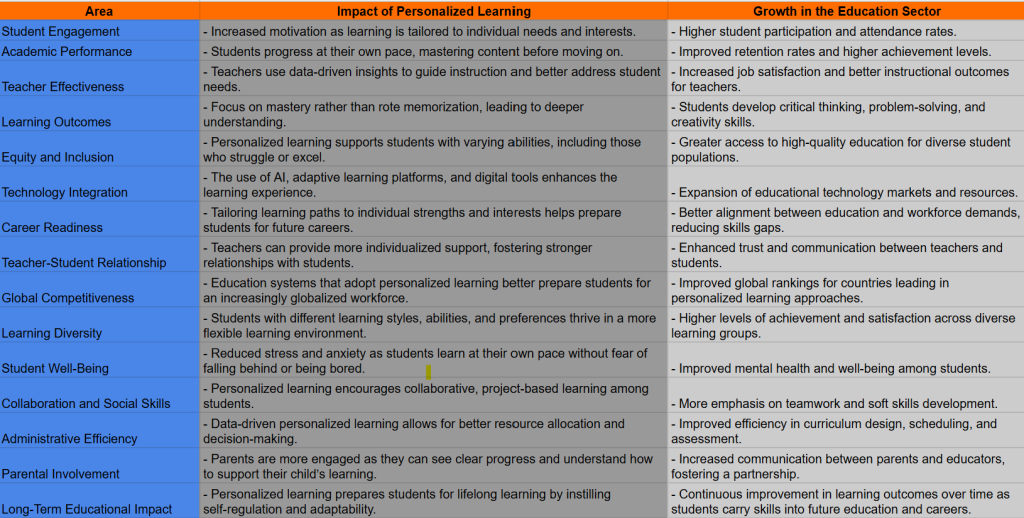
Personalized learning adapts education to fit each student, increasing engagement and career readiness. It incorporates Multiple Intelligences and Self-Determination theories to sustain student motivation. Micro-credentials also support this model by offering skill-based learning. Technology provides adaptive environments, making education more inclusive and efficient.
As the job market evolves, education must focus on lifelong learning, creativity, and problem-solving. Personalized learning empowers students and teachers, shifting the teacher’s role from a lecturer to a guide. A supportive school environment that prioritizes relationships and well-being is essential for success. By embracing new learning methods and technology, education can become more flexible and future-proof.
Benefits of Personalized Learning
- ✅ Meets Individual Needs – Adapts education to fit each student’s strengths and weaknesses, allowing them to learn at their own pace.
- ✅ Boosts Engagement & Motivation – Students remain interested when learning aligns with their passions and gives them control over their education.
- ✅ Improves Academic Success – Helps students comprehend and retain information better, leading to higher achievement.
- ✅ Prepares Students for Careers – Develops creativity, adaptability, and independent learning—essential skills for today’s job market.
- ✅ Creates Equal Opportunities – Supports students with disabilities, assists underprivileged learners, and challenges gifted students appropriately.
- ✅ Uses Technology Effectively – AI, adaptive software, and real-time feedback make learning more responsive to student needs.
- ✅ Moves Beyond Tests – Encourages mastery-based learning, creativity, and independent thinking rather than rote memorization.
- ✅ Empowers Teachers – Smart tools reduce workload, allowing teachers to focus on personal interactions with students.
- ✅ Supports Post-Pandemic Learning – Offers flexible learning options, helping students recover lost learning time.
How to Implement Personalized Learning
For Educators:
- Use data to understand student needs and adjust lessons accordingly.
- Combine traditional teaching with technology-based learning.
- Encourage students to set goals and take ownership of their learning.
- Provide regular feedback to boost confidence.
- Engage in continuous professional development to stay updated on new strategies.
For Students:
- Set learning goals and communicate preferences with teachers.
- Use technology wisely to enhance learning.
- Develop a growth mindset and embrace challenges.
For Parents:
- Create a supportive home learning environment.
- Stay in touch with teachers regarding student progress.
- Ensure a balance between screen time, physical activity, and social interactions.
National and Institutional Strategies
For Policymakers:
- Invest in educational technology and research.
- Make curriculums more flexible to accommodate personalized learning.
- Train teachers to implement personalized learning methods effectively.
- Develop assessments that measure skill mastery rather than just test scores.
- Ensure equal access to personalized learning resources.
For Schools and Universities:
- Design flexible classrooms for individual and group learning.
- Encourage collaboration among teachers, students, and parents.
- Invest in AI-powered tools to track student progress.
- Involve the community to provide real-world learning experiences.
For Technology Developers:
- Create user-friendly, accessible, and affordable learning tools.
- Ensure strong data privacy protections for student information.
- Continuously update tools based on new research and user feedback.
Conclusion and Summary
Personalized learning is a transformative approach to education that tailors lessons to meet each student’s unique needs, interests, and learning styles. Unlike traditional education, which applies a one-size-fits-all model, personalized learning creates individualized learning paths using a combination of technology and teacher support. This approach fosters deeper engagement, improves retention, and prepares students for long-term success by promoting critical thinking, problem-solving, and workforce readiness.
“Personalized learning should fit seamlessly into all education sectors, fostering innovation and preparing a future-ready generation.”
For more information on how these technologies and approaches can be integrated into educational frameworks, Techno Group offers a variety of services that support the development of personalized learning through advanced AI and digital tools. You can explore their offerings here.
By incorporating PBL, AI, and STEM education, personalized learning ensures that students not only excel academically but are also well-prepared for the evolving demands of the workforce.