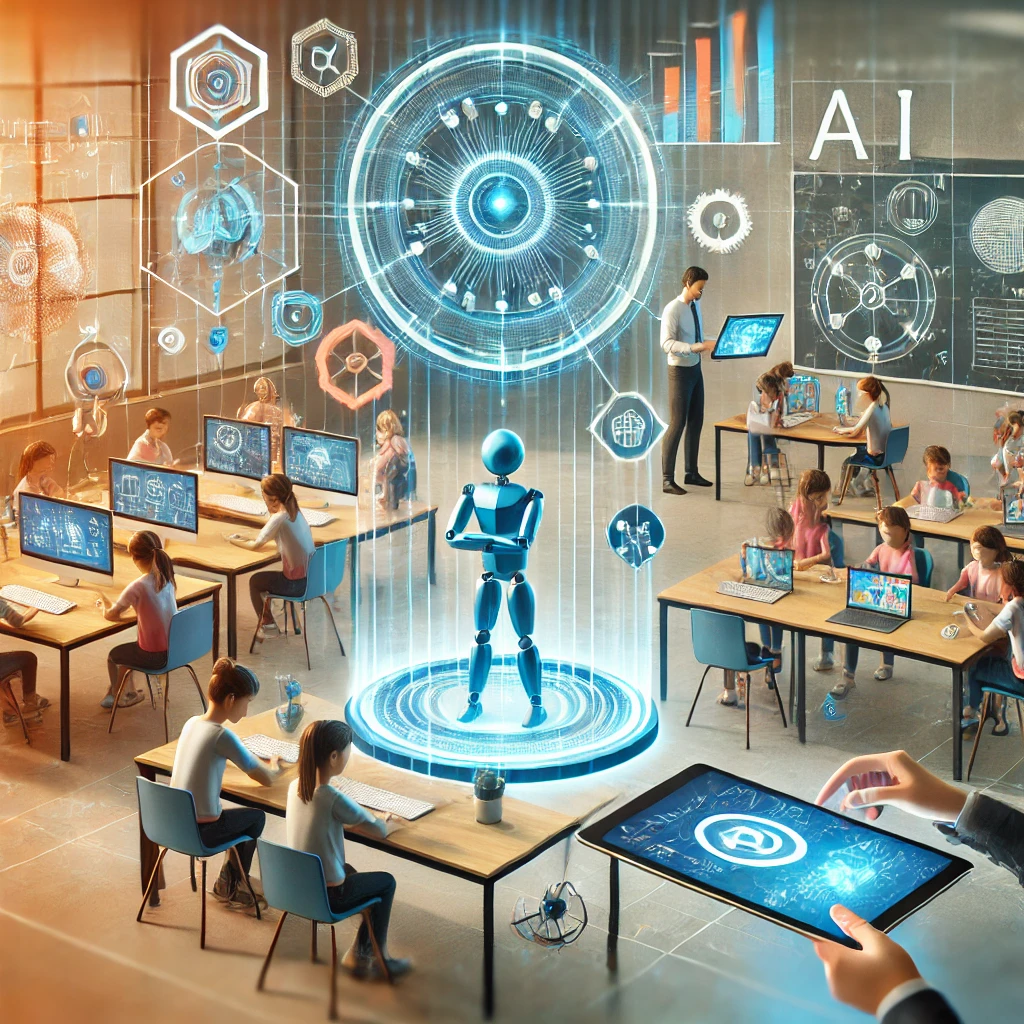

In an era dominated by rapid technological advancements, it’s more important than ever to rethink how we approach education. Traditional educational methods are failing to meet the evolving needs of students, industries, and society. Future-proofing education by integrating artificial intelligence (AI) and project-based learning (PBL) presents a powerful solution to address these challenges. This blog explores why we need this vision, what it entails, where it can be applied, and how it can be implemented to reshape the educational landscape.
The Need for Future-Proofing Education
The current education system is grappling with a host of challenges. While it has served past generations well, it now faces a crisis of relevance. Traditional learning models—characterized by rote memorization and passive instruction—fail to equip students with the skills required for a rapidly changing workforce.
Students are graduating with theoretical knowledge but lack practical, hands-on experience that would make them industry-ready. According to the World Economic Forum, by 2025, nearly 50% of jobs will require reskilling due to the rise of automation, AI, and other emerging technologies. This highlights a significant gap in our current educational framework. As industries continue to innovate and evolve, education must do the same.
To bridge this gap, we need to explore how AI and project-based learning can reshape the way we prepare students. The future-ready curriculum must not only impart knowledge but also develop problem-solving, critical thinking, and adaptability—skills that are crucial for thriving in an unpredictable world.
What is Future-Proofing Education?
Future-proofing education involves updating the curriculum, teaching methodologies, and resources to better align with the demands of the future. This requires embracing AI as a tool for personalization, efficiency, and innovation, and incorporating project-based learning to simulate real-world challenges. These strategies ensure that students are not just prepared for today’s world but equipped with the skills and mindset to adapt to the challenges of tomorrow.
AI in Education
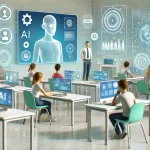
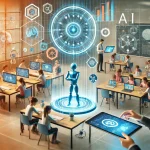
Artificial intelligence can transform education by automating administrative tasks, offering personalized learning experiences, and providing data-driven insights into student progress. AI tools can adapt content based on individual learning styles, helping students learn at their own pace. This approach ensures that no student is left behind and every learner can achieve their full potential.
Project-Based Learning
PBL is a teaching method in which students actively explore real-world problems and challenges, working on long-term projects rather than focusing solely on exams. This experiential learning approach fosters collaboration, creativity, critical thinking, and real-world problem-solving skills. Students not only learn subject content but also how to apply that knowledge in meaningful ways.
Where Can We Apply AI and Project-Based Learning Methodologies?
1. K-12 Education:
The foundation of future-proof education starts early. AI can be used to provide personalized learning experiences to students, ensuring that their unique needs and strengths are addressed. By using adaptive learning platforms powered by AI, teachers can identify struggling students and offer real-time interventions.
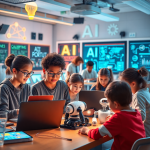
In project-based learning, students can work on interdisciplinary projects that connect different subject areas and simulate real-world problems, such as creating sustainable solutions for local communities or developing a tech prototype. These projects help students develop skills like collaboration, communication, and problem-solving, which are essential in the workforce.
2. Higher Education:
Universities can adopt AI-powered platforms to help students navigate their academic journey by offering personalized study materials and learning pathways. Project-based learning can be incorporated into degree programs by aligning coursework with real-world issues, such as climate change, healthcare innovation, or urban planning.
3. Vocational Training:
For industries where hands-on experience is key, such as healthcare, engineering, and manufacturing, integrating AI tools for skill assessments and feedback, combined with project-based learning, can significantly improve training outcomes. Students can engage in real-time industry projects, giving them experience with both the technical aspects and the challenges of their chosen fields.
How Can We Implement This Methodology?
1. Develop AI-Powered Learning Platforms:
Schools and universities need to invest in AI-driven systems that can personalize the learning experience for each student. These platforms can analyze data to provide insights into student progress, recommend resources, and offer tailored learning paths. AI can also be used to automate administrative tasks, allowing teachers more time to focus on teaching and mentoring.
2. Integrate Project-Based Learning into Curriculums:
To implement PBL effectively, schools must shift away from purely lecture-based methods and adopt interdisciplinary projects that engage students in real-world problem-solving. Teachers should act as facilitators, guiding students through the process of research, experimentation, and reflection. These projects should be designed in partnership with industries, ensuring they reflect current challenges and innovations.
3. Train Educators:
Teachers must be equipped with the skills to integrate AI and PBL into their classrooms. This involves professional development programs focused on technology literacy, AI tools, and active learning strategies. Teachers need to understand how to use these tools to enhance their teaching and create an engaging learning environment.
4. Encourage Industry Partnerships:
Schools, universities, and vocational training centers should collaborate with industries to co-create projects that are both relevant and impactful. These partnerships ensure that students are working on issues that matter to the real world, bridging the gap between education and employment.
Addressing Current Challenges in Education
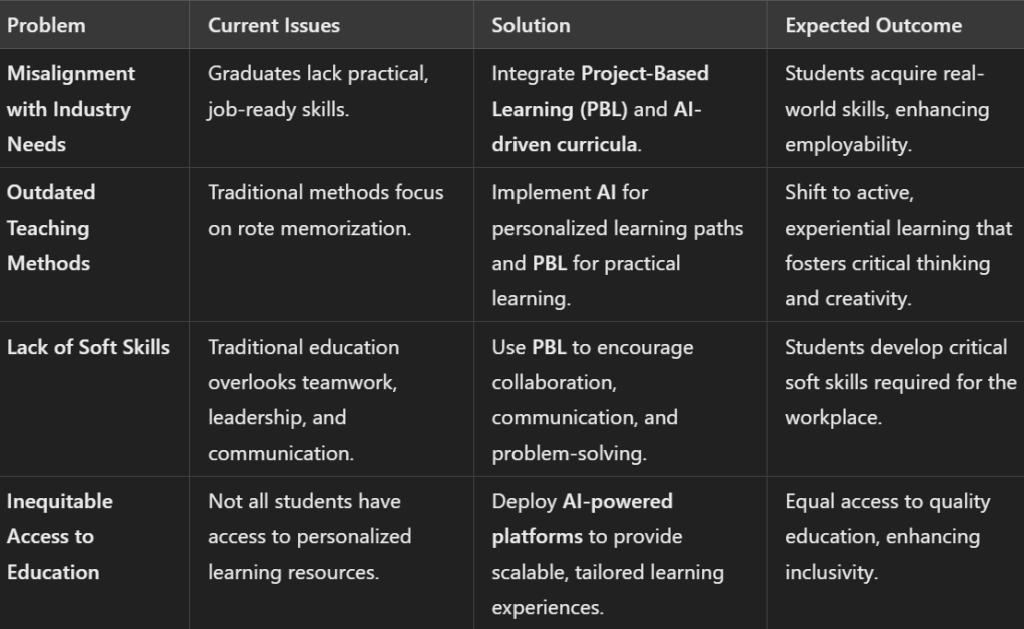
Several pressing issues in education can be alleviated by the integration of AI and project-based learning:
- Misalignment with Industry Needs: Many students graduate without the practical skills required by employers. By working on real-world projects, students can develop job-ready skills, and AI can help tailor their learning paths to meet market demands.
- Outdated Teaching Methods: Traditional education focuses too much on memorization and exams. By incorporating PBL, we encourage active learning and problem-solving, making education more engaging and relevant.
- Inequitable Access to Education: AI-driven platforms can provide personalized education at scale, ensuring that every student has access to high-quality learning experiences, regardless of their background or geographical location.
- Lack of Soft Skills: PBL encourages the development of soft skills like communication, teamwork, and leadership, which are often overlooked in traditional education. These skills are essential in the modern workplace and can be nurtured through collaborative projects.
Necessary Changes and Approaches
To successfully implement this vision, the following changes are necessary:
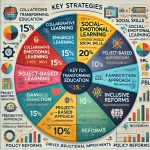
- Curriculum Overhaul: Curriculums need to be restructured to include AI literacy and project-based learning as core components. This requires ongoing consultation with industry experts to ensure that the curriculum remains aligned with emerging trends.
- Government and Policy Support: Policymakers should provide funding and resources for AI integration and teacher training. Collaboration with industry and academia is crucial to creating an ecosystem that supports future-proof education.
- Continuous Research and Development: Schools and universities must invest in research to better understand how AI and PBL can be effectively applied and scaled. Innovations in education technology should be continuously explored to ensure that we are meeting the evolving needs of students.
Conclusion
The integration of AI and project-based learning offers an opportunity to transform education and address the challenges faced by the current system. By future-proofing education, we ensure that students are not only prepared for today’s world but are equipped with the skills and mindset needed to thrive in tomorrow’s society. This approach fosters a generation of adaptable, innovative, and industry-ready individuals who can solve the complex challenges of the future.
Internal Link: For more insights on how AI is revolutionizing education, check out our article on AI in Education: How It’s Shaping the Future of Learning.
By embracing these changes, we can create an education system that truly prepares students for the future.