
In today’s fast-paced and ever-evolving world, shifting from grades to growth is essential for preparing students for lifelong success. The traditional focus on grades no longer equips learners with the critical thinking, adaptability, and emotional intelligence needed to thrive. A growth-oriented education system addresses these challenges by fostering skills that go beyond academics. This blog explores why shifting from grades to growth is necessary, how it can be achieved, and the profound impact it can have on society.
Why Shifting from Grades to Growth is Essential
The current grade-focused educational system has several shortcomings that hinder student development:
- Increased Stress and Anxiety: Studies by the American Psychological Association (APA) show academic pressure as a leading cause of mental health issues.
- Lack of Real-World Skills: Emphasis on grades often neglects essential life skills like creativity and problem-solving.
- Inequality in Opportunities: A rigid grading structure widens the achievement gap, disproportionately affecting disadvantaged students.
- Lack of Motivation: Solely focusing on grades reduces intrinsic motivation and discourages a passion for learning.
Strategies for Shifting from Grades to Growth
A growth-oriented education system requires a holistic approach, including social, emotional, and psychological strategies.
Social Strategies for Growth-Oriented Education
- Collaborative Learning: Foster teamwork and peer learning to enhance communication and interpersonal skills.
- Community Involvement: Engage with communities to provide real-world learning experiences.
- Inclusive Education: Personalize learning approaches to support all students, regardless of their backgrounds.
Emotional Strategies for Fostering Lifelong Learning
- Social-Emotional Learning (SEL): Implement programs that teach self-awareness, empathy, and emotional regulation.
- Reduced Academic Pressure: Shift priorities from high-stakes testing to holistic development.
- Growth Mindset: Inspired by Carol Dweck’s research, encourage the belief that abilities can grow with effort.
Psychological Strategies to Enhance Education
- Project-Based Learning (PBL): Engage students in hands-on projects to build critical thinking and problem-solving skills.
- Gamification of Learning: Use game-like elements to make education more engaging and enjoyable.
- Feedback-Driven Approach: Replace traditional grading with constructive feedback that promotes continuous improvement.
Strategic Analysis: Benefits of Growth-Oriented Education
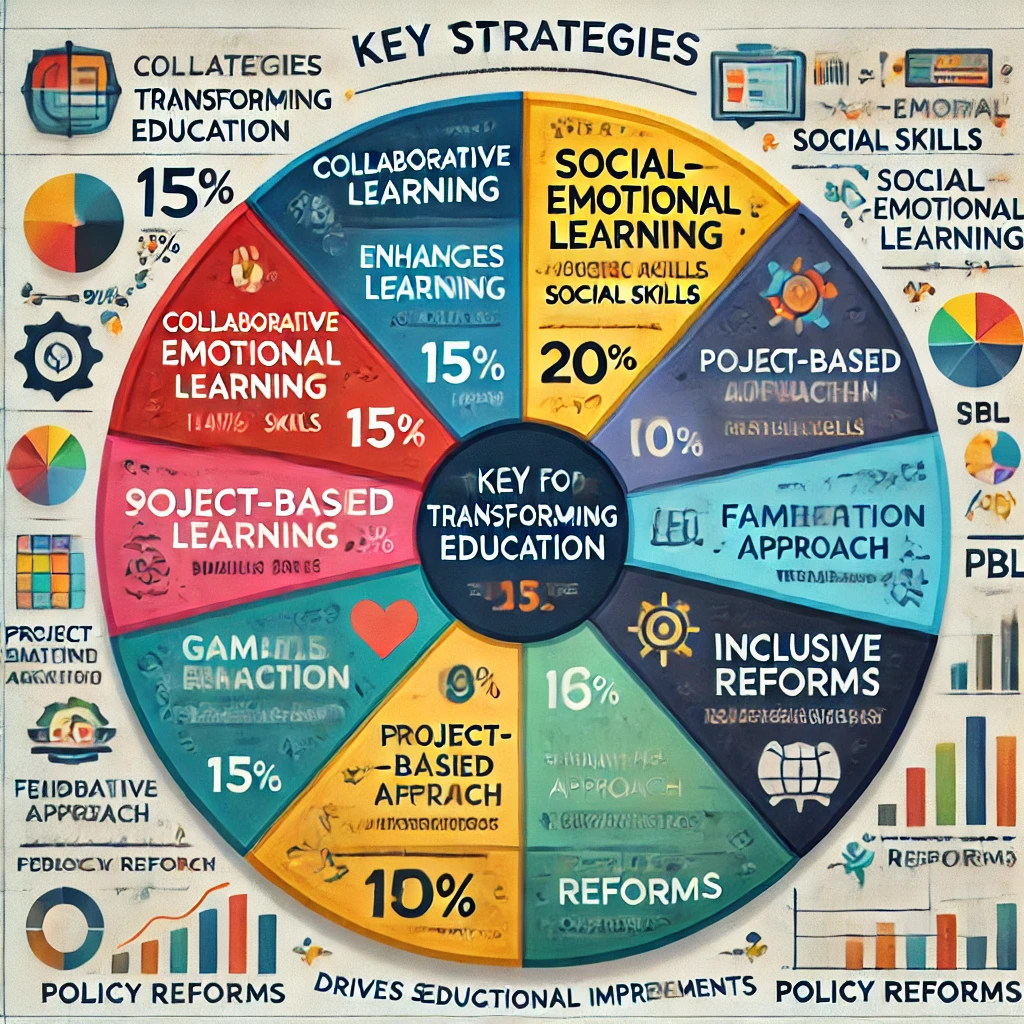
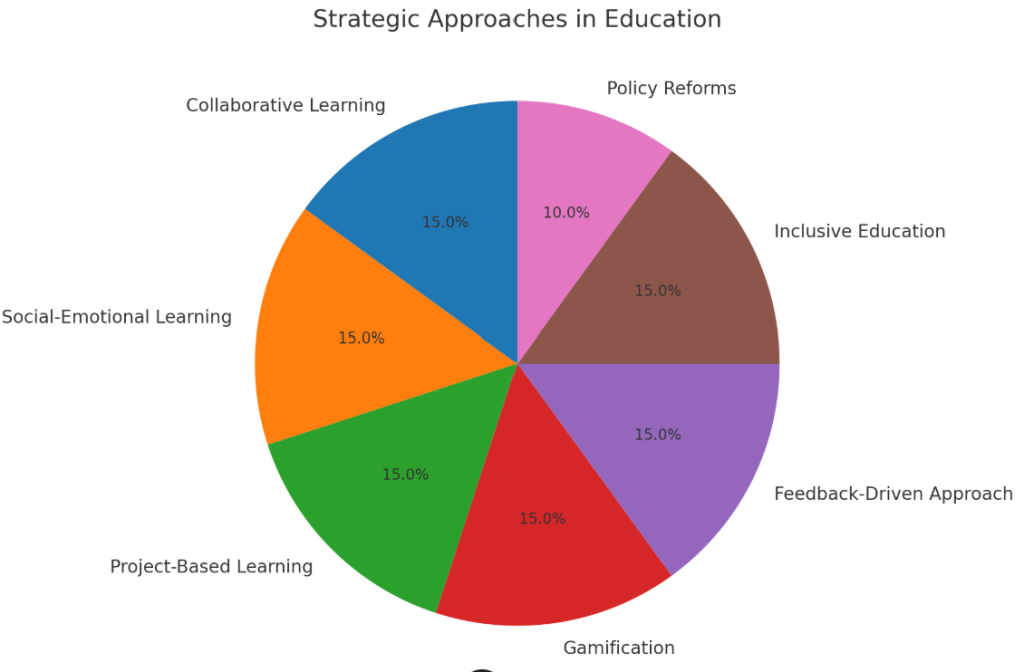
| Strategy | Reason | Explanation |
|---|---|---|
| Collaborative Learning | Enhances teamwork and social skills | Encourages cooperation and knowledge sharing. |
| Social-Emotional Learning | Builds emotional intelligence | Improves stress management and relationships. |
| Project-Based Learning | Develops real-world skills | Provides critical thinking and practical experience. |
| Gamification | Increases engagement and motivation | Makes learning interactive and enjoyable. |
| Feedback-Driven Approach | Promotes continuous improvement | Focuses on growth rather than failure. |
| Inclusive Education | Addresses diverse needs | Ensures equal opportunities for all learners. |
| Policy Reforms | Drives systemic improvements | Prioritizes skills over rote learning. |
Societal Impact of Shifting from Grades to Growth
Transitioning to a growth-oriented education system can transform society in several ways:
- Stronger Workforce: Skilled, adaptable individuals drive economic growth and innovation.
- Reduced Mental Health Issues: Lower academic pressure leads to healthier, happier communities.
- Increased Civic Engagement: Critical thinking fosters ethical decision-making and responsible citizenship.
- Greater Social Equity: Personalized learning bridges the gap for students of varying abilities.
- Entrepreneurial Mindset: Students gain confidence to take risks and innovate.
What We Need to Do as a Nation
To create a thriving education system focused on growth, the following steps are essential:
- Policy Reforms: Governments should prioritize skills-based education over rote memorization.
- Teacher Training: Equip educators with modern methods emphasizing holistic development.
- Technology Integration: Leverage AI to enable personalized learning experiences.
- Parental Involvement: Encourage families to nurture a growth mindset at home.
Improving Our Education System for Lifelong Learning
Schools and institutions can implement these actions to foster a growth-oriented approach:
- Curriculum Development: Design courses that encourage creativity and critical thinking.
- Assessment Methods: Replace traditional grades with holistic evaluations that value growth and progress.
Our Role as a Nation in Fostering Growth
As a society, we must take a prudent approach to educational reform by:
- Valuing Lifelong Learning: Encourage continuous improvement at all stages of life.
- Supporting Educational Innovation: Invest in research to improve teaching methods.
- Emphasizing Ethical Responsibility: Teach students to be socially and environmentally conscious.
Conclusion
Shifting from grades to growth is a vital transformation for preparing students as lifelong learners. By implementing strategies focused on social, emotional, and psychological development, we can create an equitable, innovative, and resilient education system—laying the foundation for a thriving society.
https://www.weforum.org/publications/the-future-of-jobs-report-2025