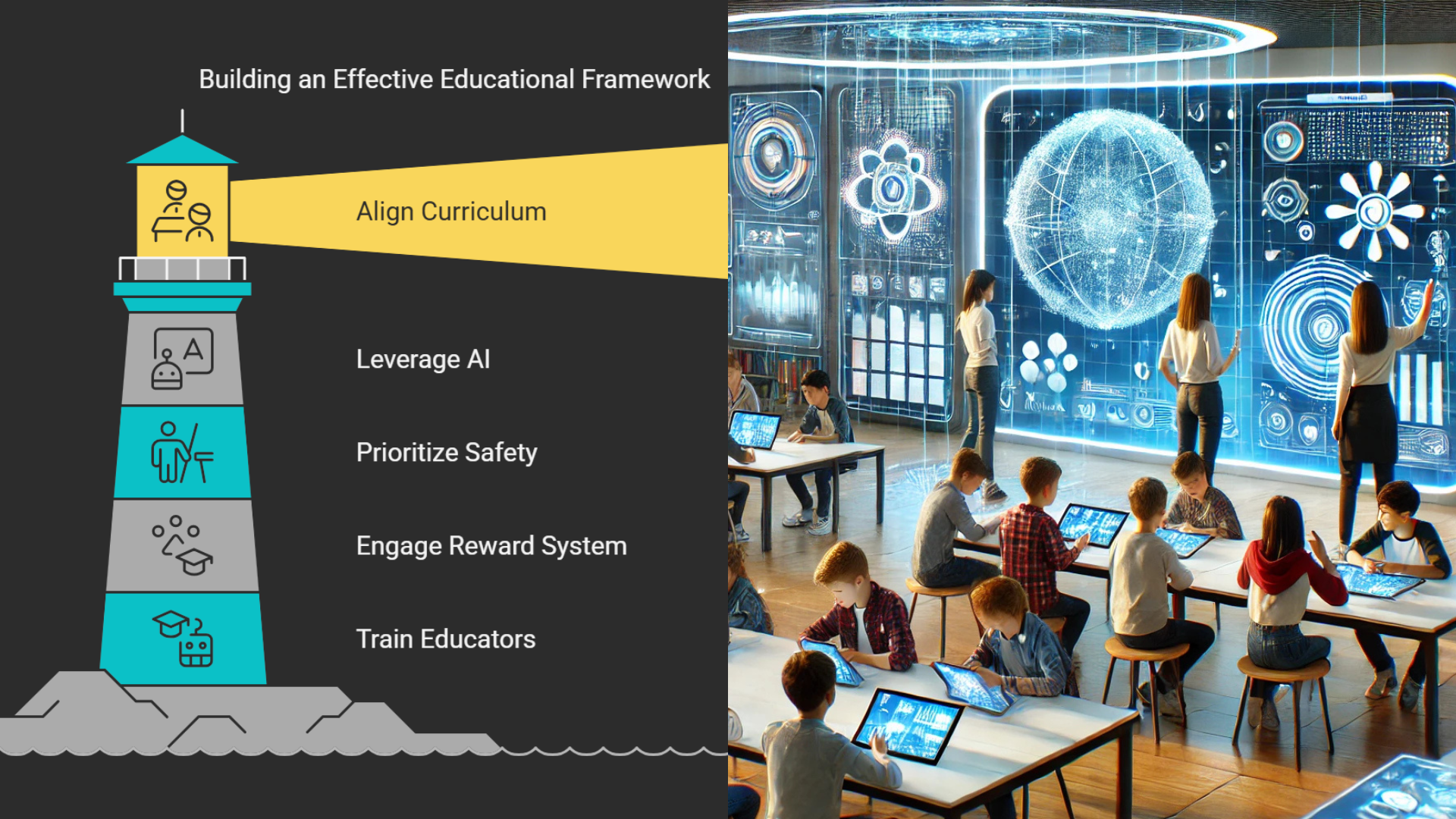

Education is the foundation of progress, yet institutions worldwide struggle with a fundamental challenge—execution. While visionary policies and ambitious curricula may look impressive on paper, they often fail to translate into meaningful learning experiences.
Why? Because successful education isn’t just about what we teach but how students learn. The psychological, social, and emotional dimensions of education play a crucial role in whether strategies succeed or fail.
This blog explores the hidden factors influencing learning, the common pitfalls in execution, and science-backed strategies to turn educational goals into lasting impact.
The Foundation of Effective Strategy Execution in Education
The successful implementation of educational strategies requires:
- Clear goal alignment: Ensuring that all stakeholders—teachers, administrators, students, and parents—are on the same page.
- Stakeholder collaboration: Schools must actively involve educators, parents, and policymakers in shaping educational strategies.
- Data-driven decision-making: Schools and institutions must leverage technology and data analytics to measure progress and refine strategies.
Continuous improvement frameworks: Learning is a dynamic process, and adapting to new insights is essential for sustained success
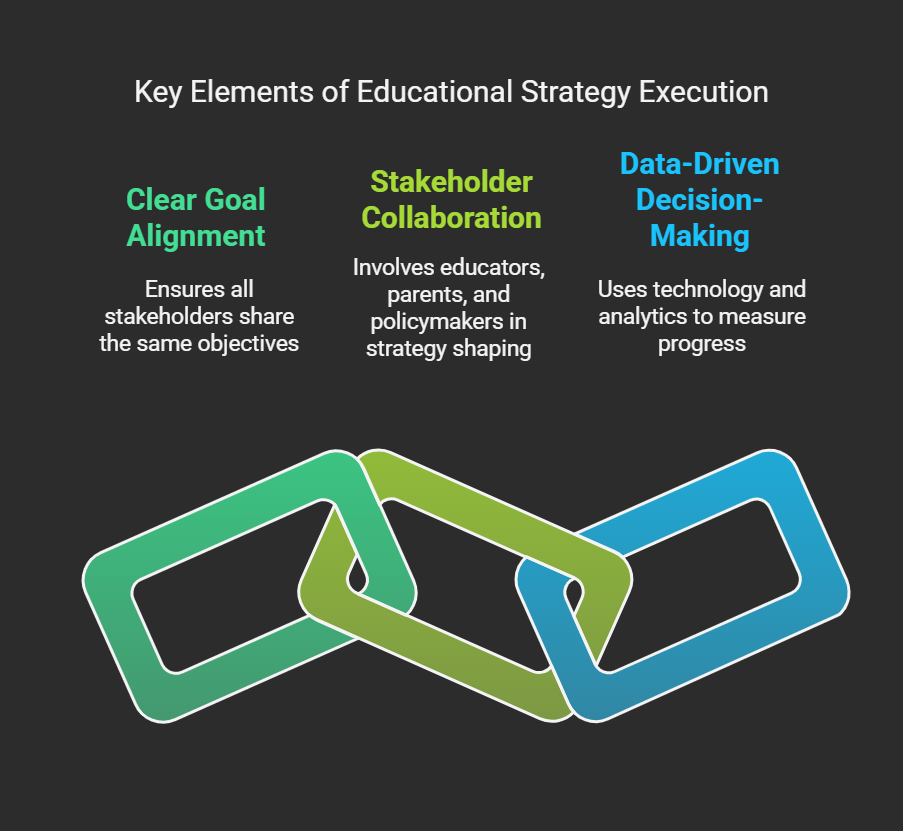
When these elements are combined, schools can create an environment that fosters meaningful learning experiences.
Why Do Education Strategies Fail?
Institutions pour millions into curriculum reforms, teacher training, and digital tools—yet learning outcomes often stagnate. What prevents execution from succeeding?
1. The Neuroscience of Resistance to Change
Change triggers a threat response in the brain. When students and teachers are pushed into unfamiliar learning environments, their amygdala (the brain’s fear center) activates, leading to anxiety, resistance, or disengagement.
🔹 Solution: Schools need to implement gradual transitions—micro-changes in daily learning habits—rather than sudden overhauls. Introducing new teaching techniques in small increments reduces cognitive overload and builds adaptive learning behaviors over time.
2. Misalignment Between Learning and Real-World Relevance
A Harvard study found that students are more likely to retain information when they understand its real-world application. Yet, most schools emphasize rote memorization over practical problem-solving.
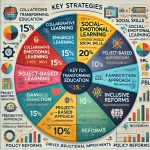
🔹 Solution: Project-Based Learning (PBL) and Experiential Learning bridge this gap. By applying theoretical knowledge to real-world challenges, students develop cognitive flexibility, critical thinking, and intrinsic motivation to learn.
🔹 Example: In Finland, students who engaged in PBL-based STEM education showed a 20% increase in retention and application of scientific concepts compared to traditional learners.
3. The “One-Size-Fits-All” Trap
Every student learns differently. Yet, most institutions rely on uniform teaching methodologies that fail to address individual learning styles.
🔹 Solution: Adaptive Learning Technologies powered by AI can personalize educational content based on a student’s strengths, weaknesses, and pace.
🔹 Example: AI-driven assessment tools like Pakistan’s Taleemabad app have revolutionized learning by tailoring lessons to individual student needs, significantly improving engagement and comprehension.
The Hidden Psychology of Learning: Key Triggers for Execution
For an educational strategy to succeed, it must activate psychological and emotional triggers that make learning compelling, meaningful, and rewarding.
1. The Dopamine Factor: Making Learning Addictive
Dopamine, the brain’s reward chemical, is released when students feel a sense of achievement or curiosity. Traditional classrooms often fail to engage this mechanism, leading to boredom and disengagement.
🔹 Solution: Gamification, immediate feedback, and goal-oriented learning can hijack dopamine pathways, making education as engaging as social media.
🔹 Example: Schools implementing game-based learning reported a 40% increase in student engagement compared to traditional methods.
2. The Emotional Connection: The Power of Trust
A Yale University study found that students in emotionally supportive classrooms perform 30% better academically. When students feel psychologically safe, they take intellectual risks and learn faster.
🔹 Solution: Social-Emotional Learning (SEL) programs teach students resilience, emotional regulation, and stress management, improving both academic and life skills.
🔹 Example: In Canada, SEL-integrated classrooms saw a 11% rise in standardized test scores, proving the link between emotional well-being and performance.
3. The Peer Influence Effect: Social Learning as a Driver
Students are twice as likely to retain knowledge when they learn collaboratively versus studying alone. This is due to mirror neurons in the brain, which activate when observing peers solving problems.
🔹 Solution: Schools should prioritize peer-to-peer learning, group projects, and collaborative brainstorming over passive lectures.
🔹 Case Study: In Singapore, classrooms structured around peer-driven discussions outperformed traditional lecture-based systems in critical thinking assessments by 25%.
The Roadmap to Effective Educational Execution
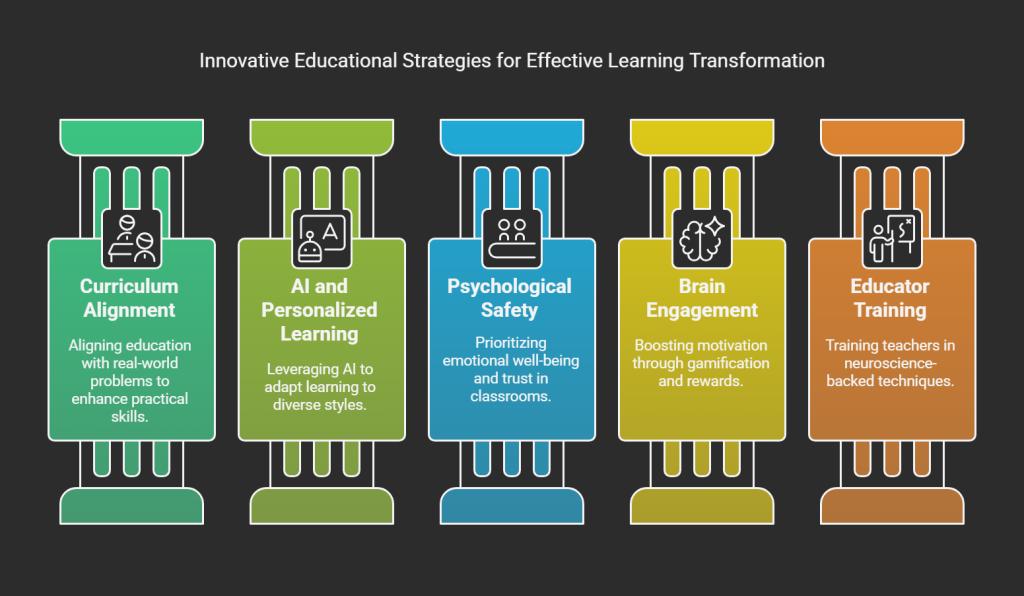
Transforming vision into reality requires an execution framework that incorporates cognitive science, technology, and adaptive learning.
✅ 1. Aligning Curriculum with Real-World Problems
🔹 Teach through real-world case studies and problem-solving exercises to enhance practical application skills.
✅ 2. Leveraging AI and Personalized Learning
🔹 Implement AI-driven adaptive learning platforms to cater to diverse learning styles.
✅ 3. Prioritizing Psychological Safety in Classrooms
🔹 Foster emotional well-being through SEL programs, stress management, and teacher-student trust-building.
✅ 4. Engaging the Brain’s Reward System
🔹 Utilize gamification, real-time feedback, and milestone-based rewards to boost motivation.
✅ 5. Training Educators in Cognitive Science
🔹 Equip teachers with neuroscience-backed teaching techniques that enhance retention and engagement.
Final Thoughts: Education as an Experience, Not Just a System
Education should not be a linear process of information transfer—it should be a multi-dimensional experience that activates curiosity, emotional engagement, and real-world application.
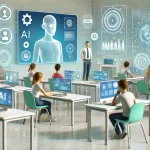
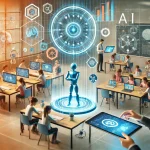
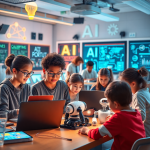
AI-driven Project-Based Learning (PBL) in STEM transforms education by making it more interactive, personalized, and career-focused. It enhances critical thinking, problem-solving, and engagement while preparing students for AI-powered careers. However, successful integration requires accessible resources, teacher training, and a balanced approach to maximize its benefits. 🚀 AI in STEM isn’t just the future—it’s the present, shaping learners into innovators!
The future of education is not just about curriculum changes but about executing strategies that align with how students actually learn.
👉 What do you think is the biggest barrier to effective learning today? Drop your thoughts in the comments!